Raw feeding gets talked about like it's all-or-nothing — either you're prepping meat in your kitchen at 6 a.m. or you're not a "real" raw feeder. The truth is friendlier than that. Most pet parents who walk into our shop on Bridgeton Pike start small: a freeze-dried topper sprinkled over kibble, or a few raw meals a week. You don't have to overhaul everything to feed better.
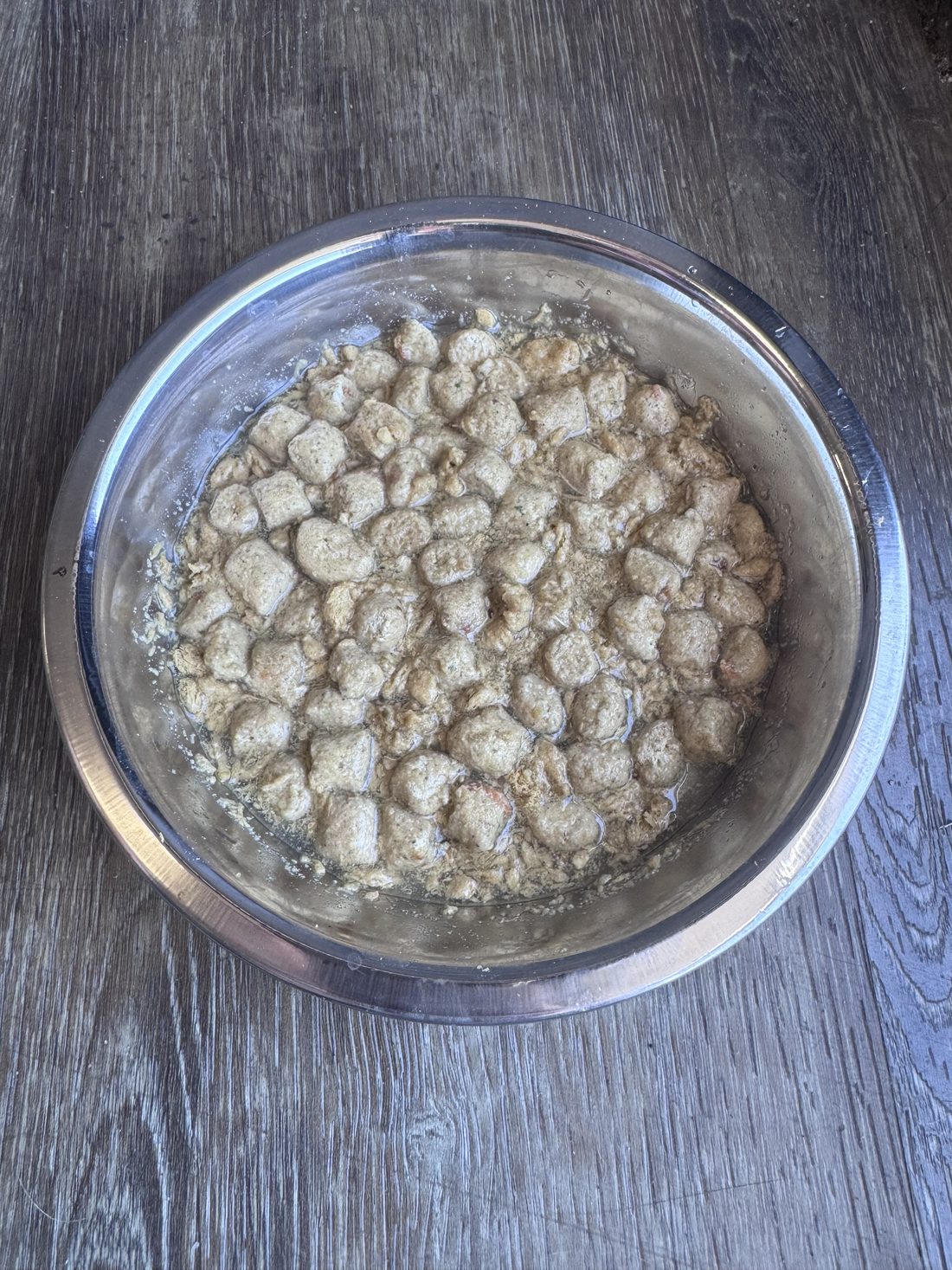
Raw food is exactly what it sounds like — meat, organ, and bone in a minimally processed form, built to mirror what a dog or cat would eat by nature. Freeze-dried raw takes that same raw recipe and gently removes the moisture, so it's shelf-stable, easy to store, and ready to serve once you add a little warm water. You get much of the appeal of raw — high animal protein, short ingredient lists, strong palatability for picky eaters — without the freezer space or the handling fuss. That convenience is why freeze-dried has become the easiest on-ramp to species-appropriate feeding.
Is it safe? Handled sensibly, yes. Treat raw and freeze-dried like you'd treat raw meat for your own kitchen: wash hands and bowls, store it properly, and don't leave it sitting out. We carry brands that hold themselves to high quality and safety standards — like Steve's Real Food, a 20-plus-year raw pioneer that uses human-quality ingredients, and Open Farm, which lets you trace every ingredient back to its source by lot number. If your pet is very young, very old, or has a compromised immune system, that's a great thing to raise with one of our Certified Pet Dietitians — and with your vet — before you start.
One more thing worth knowing: balance matters. A complete raw or freeze-dried diet is formulated to hit the full set of nutrients your pet needs — it's not just meat in a bag. That's where a quick consult pays off. We'll look at your pet's age, weight, and goals and tell you whether a topper, a partial switch, or a full transition makes sense.
How to start without upsetting your pet's stomach
Go slow. A sudden 100% switch is the fastest way to a rough week. A simple approach that works for most dogs:
- Days 1–3: about 25% new food, 75% current food.
- Days 4–6: roughly half and half.
- Days 7–9: about 75% new, 25% current.
- Day 10 onward: full switch, if everything looks good along the way.
Watch the stool and the energy. If things get loose, hold at the current ratio for a few extra days before moving up. Cats and sensitive dogs may need an even slower pace — and that's completely normal.
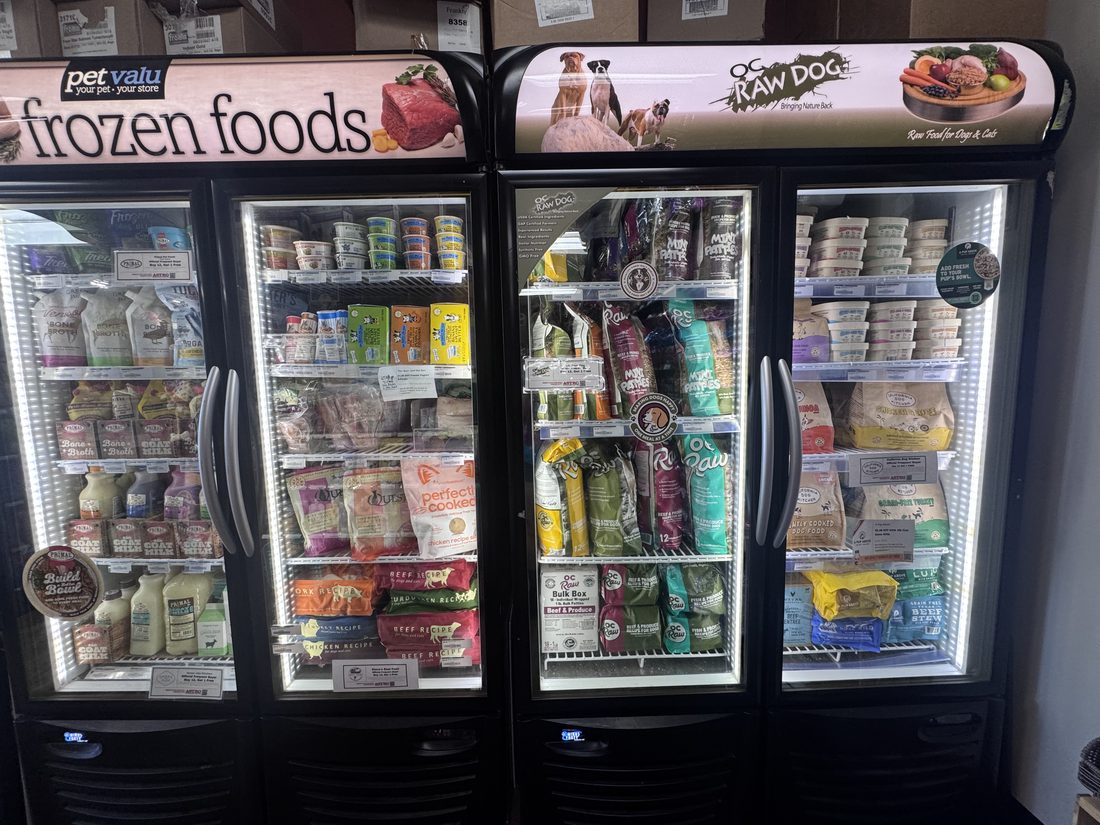
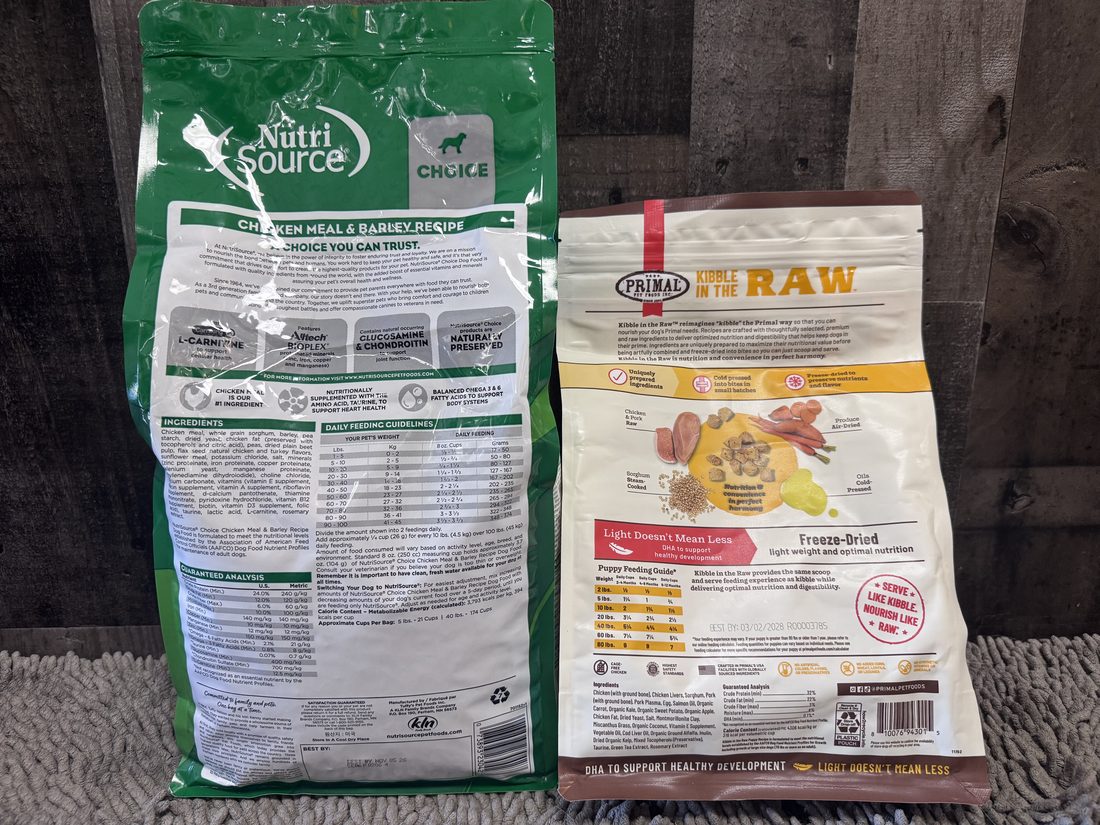
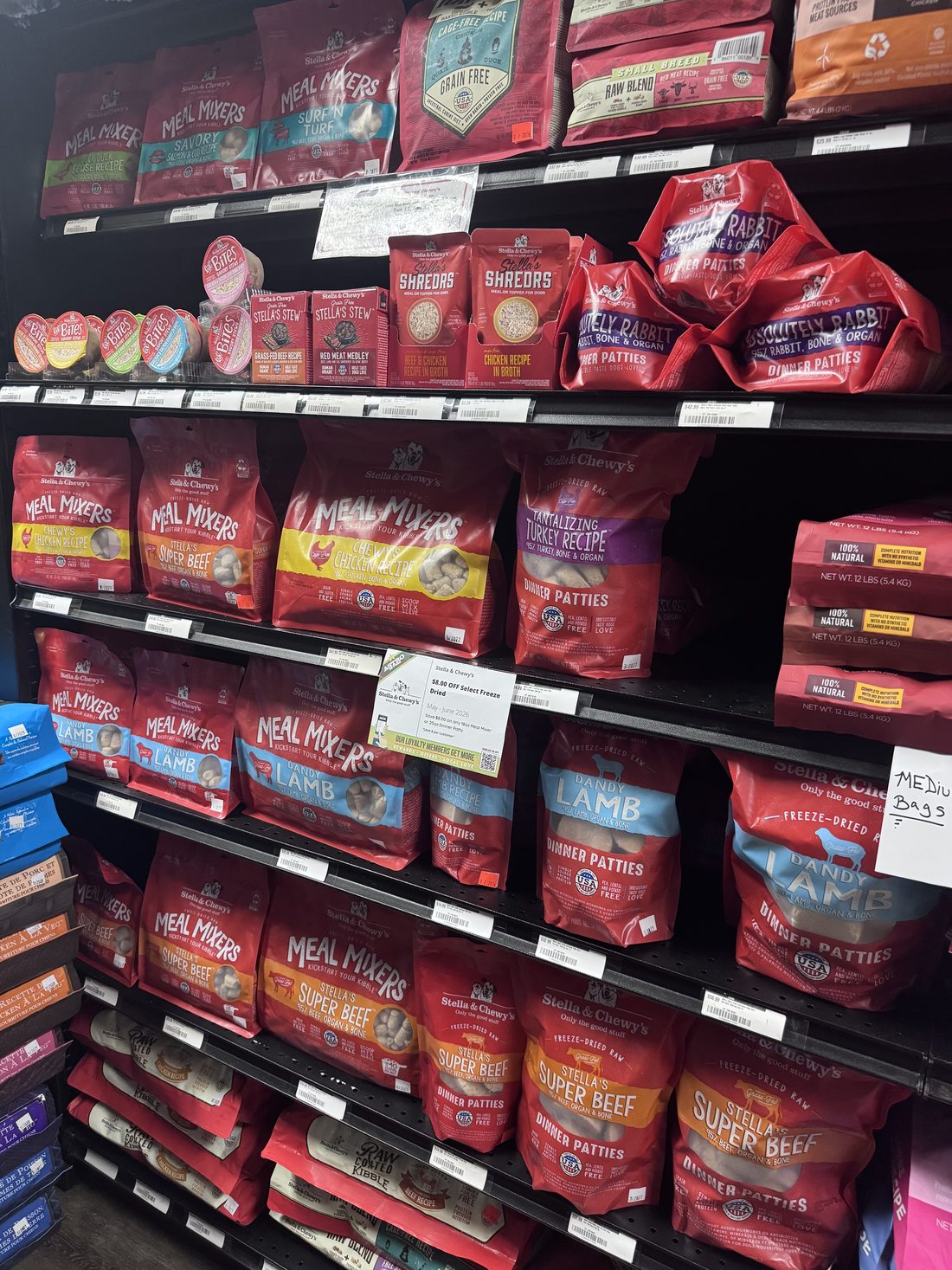
A look at raw & freeze-dried at our Mantua shop
FAQ
What's the difference between raw and freeze-dried raw?
Same style of recipe; freeze-dried just has the moisture removed so it's shelf-stable and easy to serve. Add a little warm water to rehydrate before feeding.
Is freeze-dried food complete and balanced?
Many are formulated to be a complete diet on their own, while others are meant as a topper or mixer. Check the label — or ask us at the counter and we'll read it with you.
Can I just use it as a topper instead of a full diet?
Absolutely. A freeze-dried topper is the most popular way to start: it boosts protein and flavor over kibble and lets you ease in before committing to more.
Is raw feeding safe for my family?
With normal raw-meat hygiene — clean hands, clean bowls, proper storage — yes. If anyone in the home is immune-compromised, talk it through with a Certified Pet Dietitian and your vet first.
How much does it cost compared to kibble?
It varies by brand and how much of the diet is raw. Starting with a topper keeps it affordable; we'll help you find an option that fits your budget without compromising quality.
Not sure where to start? Ask us.
A Certified Pet Dietitian can look at what you feed now and tell you in ten minutes whether a topper or a full switch is right — free, no appointment needed. We're your neighborhood pet nutrition center right here in Mantua, Gloucester County.
Shop raw & freeze-dried at our store →